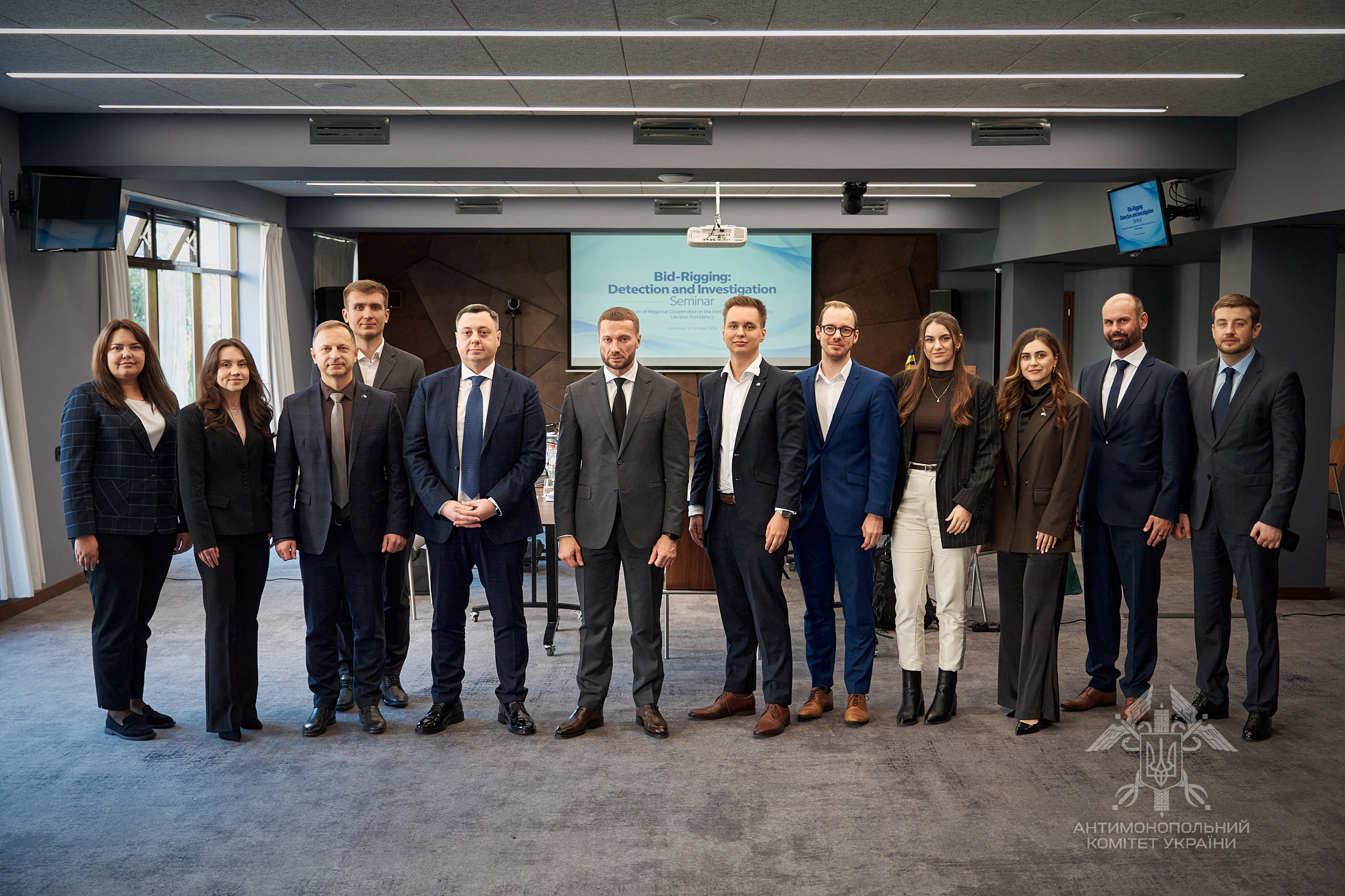
The AMCU is strengthening practical international cooperation in combating bid-rigging
05 November 2026 року о 12:24
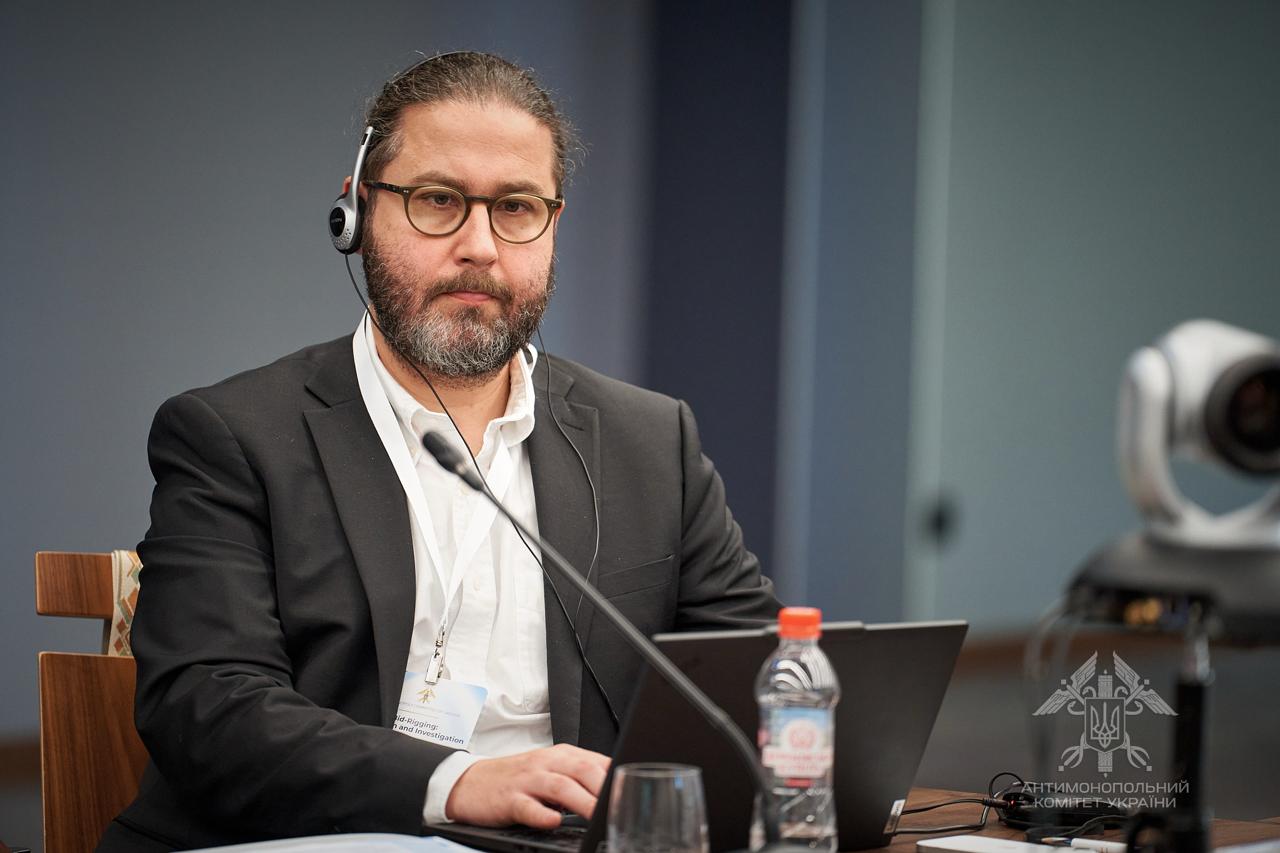
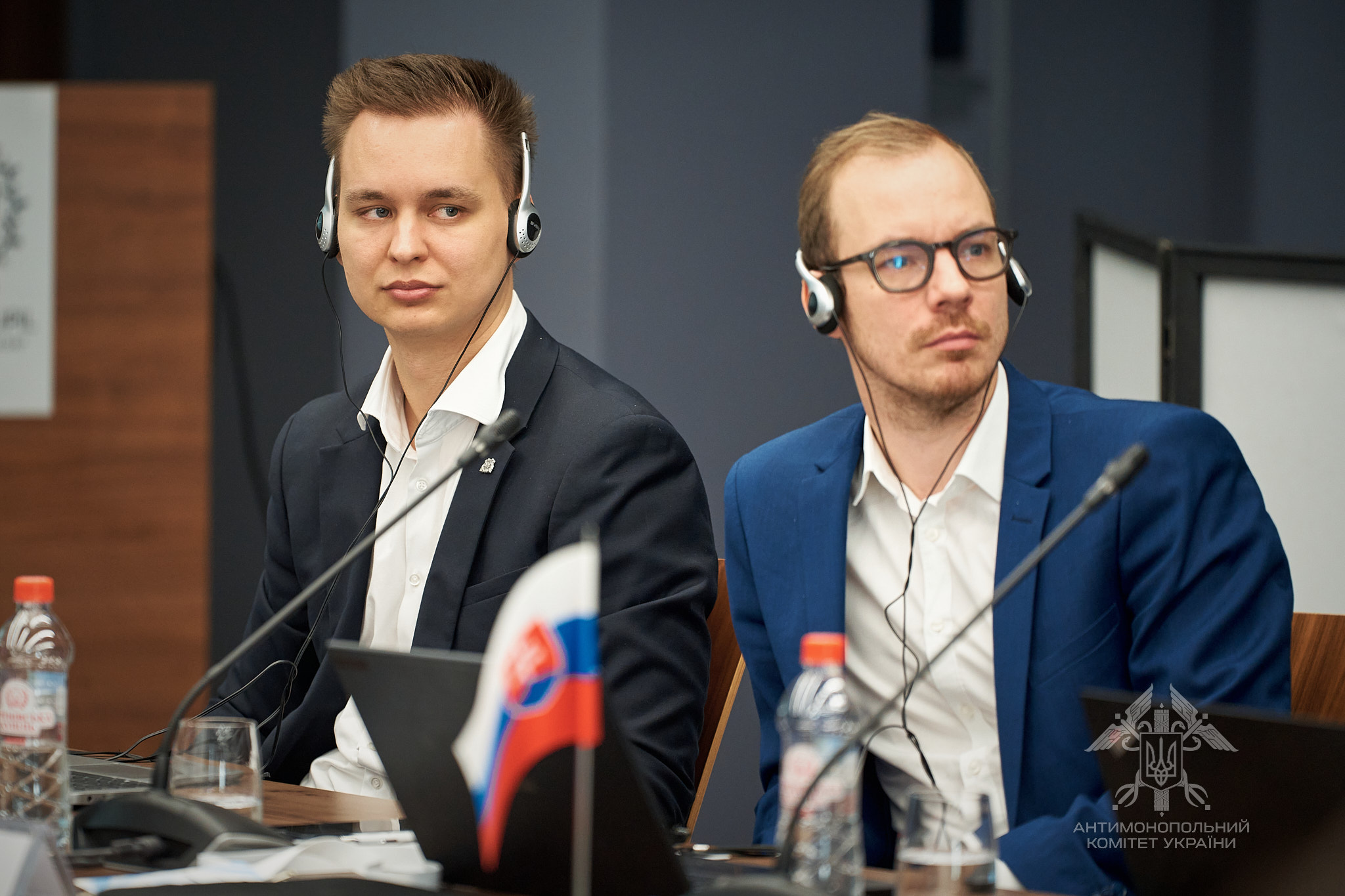
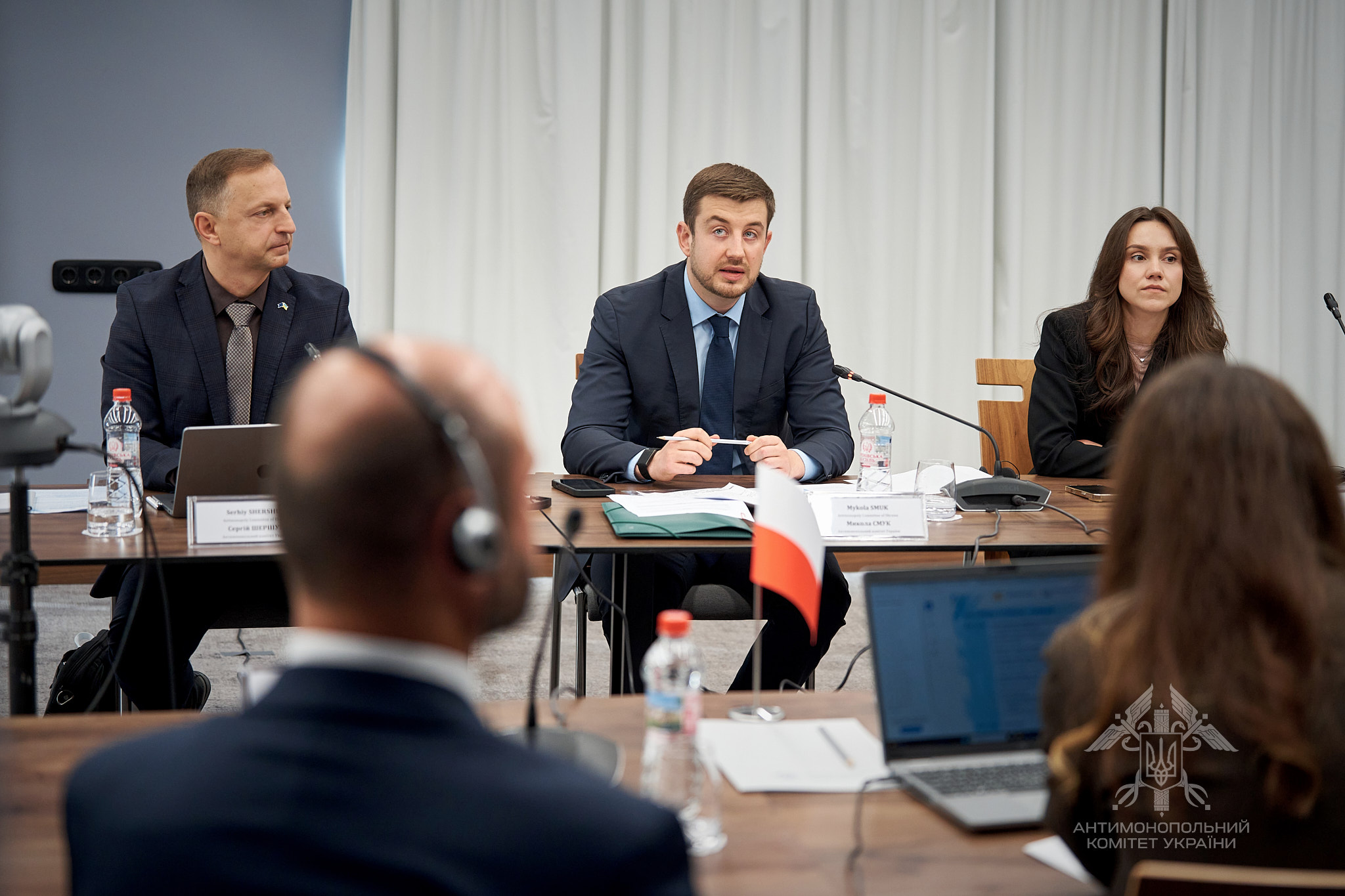
On 23 October 2026, the Antimonopoly Committee of Ukraine (AMCU), with the support of the World Bank, held an international seminar on combating bid rigging in public procurement in Uzhhorod.
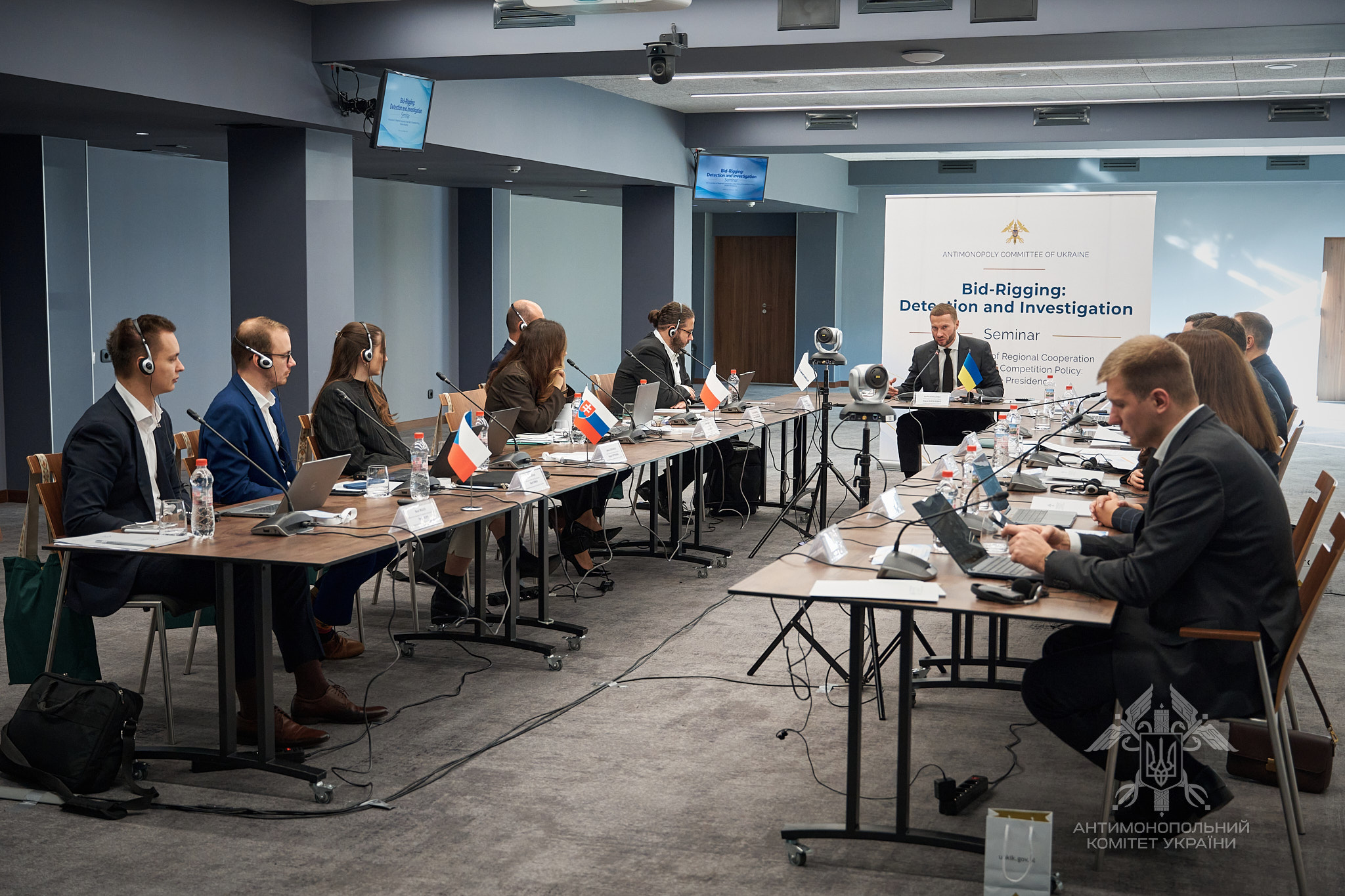
The event was held as part of Ukraine’s Presidency of the regional cooperation framework for competition authorities, established under the Memorandum on Regional Cooperation in the Field of Competition Policy. The discussions brought together representatives of the AMCU, the World Bank, and the competition authorities of Austria, Estonia, Latvia, Lithuania, Moldova, Poland, Romania, Slovakia, Hungary, and the Czech Republic.
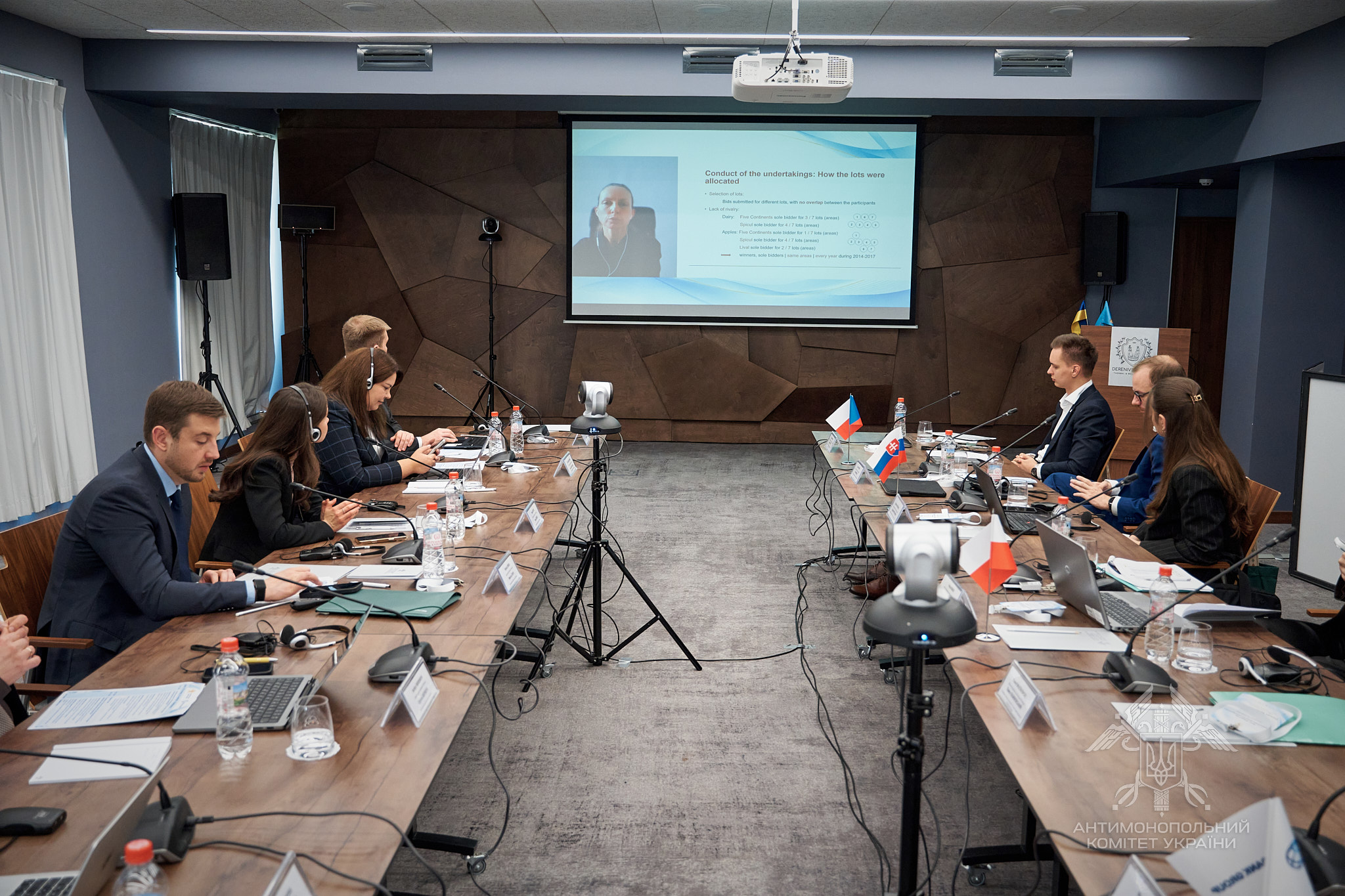
Opening the seminar, the Chair of the AMCU, Pavlo Kyrylenko, emphasised the importance of practical international cooperation in enhancing the effectiveness of investigations. Bid rigging in public procurement is difficult to detect and prove. Therefore, sharing experience from specific cases, methods of evidence gathering and analysis, and the practical application of legal instruments is of direct relevance to the work of competition authorities. Such cooperation is particularly important for Ukraine, where the effective use of public funds is of even greater significance in the context of the ongoing war and future reconstruction efforts.
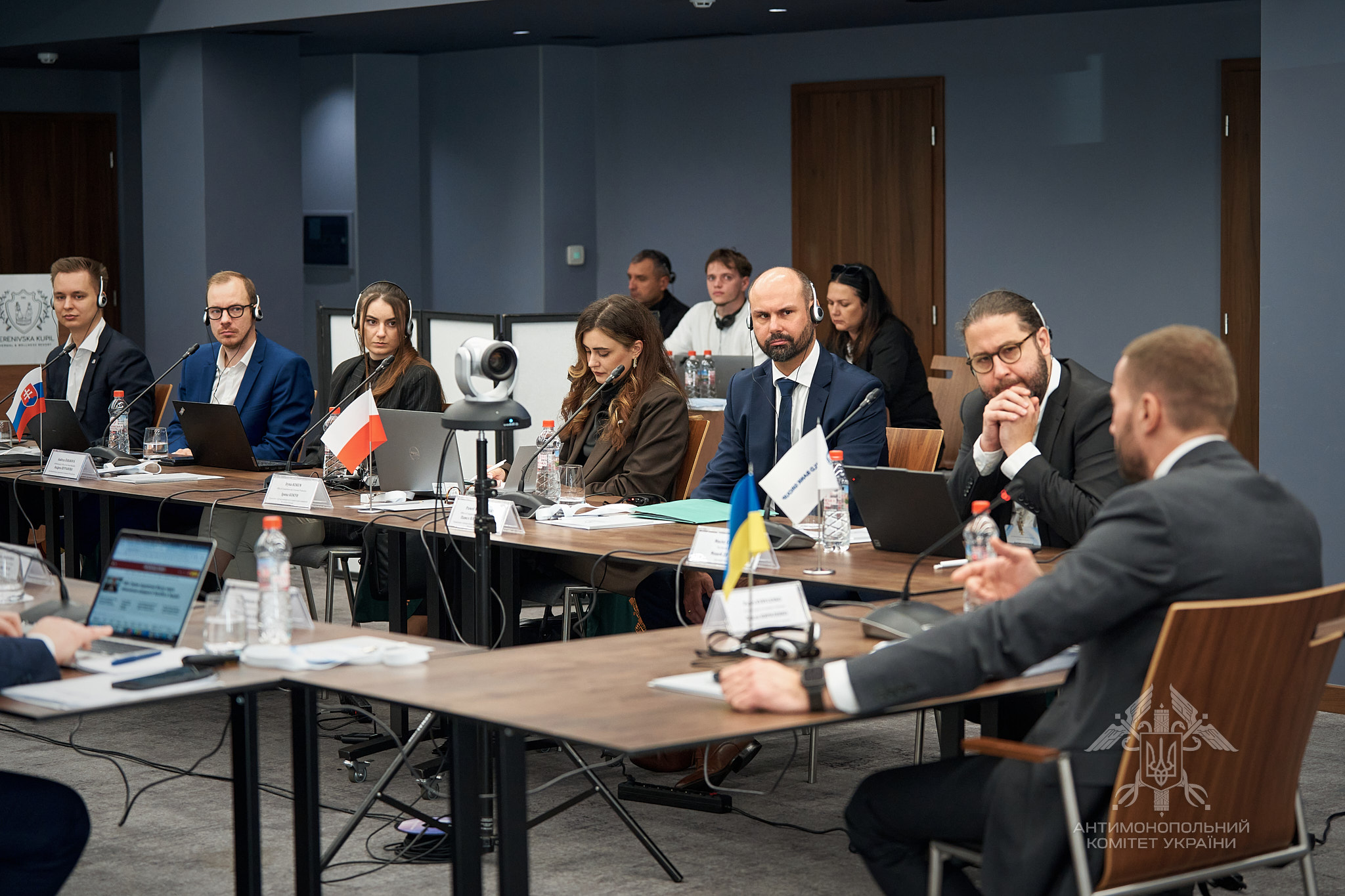
The seminar program covered the entire practical process of combating bid-rigging: from identifying risks in the electronic procurement system to proving violations, imposing sanctions, and recovering damages. Ukrainian experts shared their experience working with Prozorro data and investigating bid-rigging in tenders. Together with their foreign colleagues, they discussed the use of direct and indirect evidence, digital materials, and cooperation with law enforcement agencies.
One of the key focuses was the further development of the leniency program for participants in anticompetitive concerted actions, taking into account the experience of other countries. AMCU representatives presented the results of the amendments introduced in 2023. In particular, following the reform, the mere fact of initiating a collusive agreement no longer precludes the possibility of leniency if the applicant did not coerce other participants into committing or continuing the violation.
Practical experience already shows a growing interest in this mechanism: in 2024 and 2025, the AMCU received 10 applications each year, while in the first nine months of 2026, it received 22. It is also important that applicants are providing increasingly detailed information about the circumstances of the agreements, including correspondence that helps confirm the existence of a collusive arrangement. In some cases, such cooperation makes it possible to identify violations that had not previously been the subject of the Committee’s investigation.
At the same time, the AMCU is exploring opportunities to further improve the program based on the practices of its foreign partners. During the seminar, special attention was paid to improving the procedure for reviewing applications and maintaining real incentives for cartel participants to cooperate with the competition authority. Such an exchange of experience makes it possible to identify practical approaches that should be further developed to enhance the effectiveness of the leniency program in Ukraine.
A separate discussion focused on the consequences of bid-rigging. Participants compared approaches to fines, restrictions on violators’ participation in procurement, opportunities for restoring companies’ integrity, and compensation for losses incurred by contracting authorities. An important issue remained the balance between effectively deterring violations and preserving competition in future procurements.
In closing the seminar, the Chair of the AMCU emphasized that the value of the regional format lies primarily in the opportunity to maintain constant contact between agencies, discuss practical challenges, and draw on partners’ experience to improve their own work.
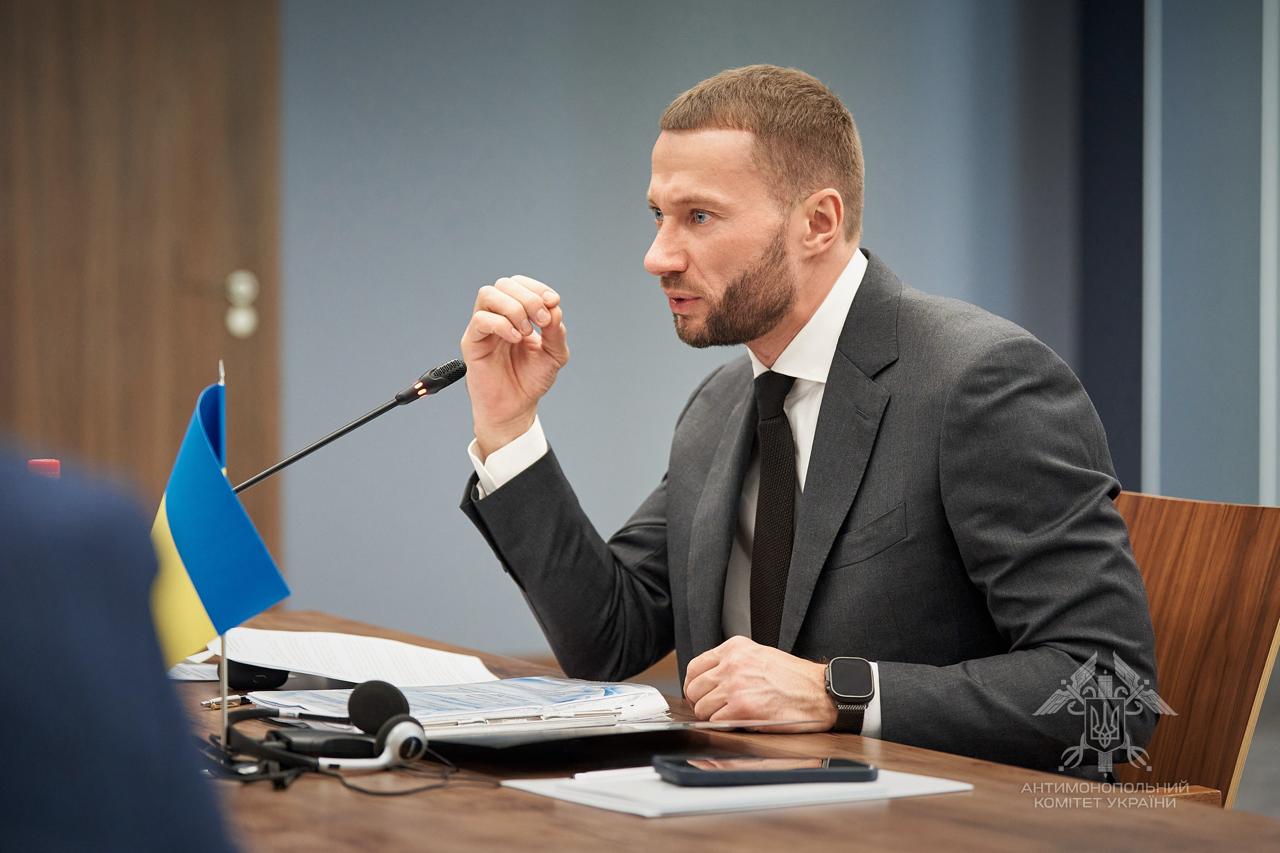
“We particularly value our cooperation with competition authorities in countries across our region. We face many common challenges and have unique experiences that we can share with one another. It is through this ongoing professional dialogue that we are able to find practical solutions, improve our work, and protect competition more effectively”, said Pavlo Kyrylenko.